What Is a Crime Scene Cleanup Technician? Responsibilities, Training, and Daily Tasks
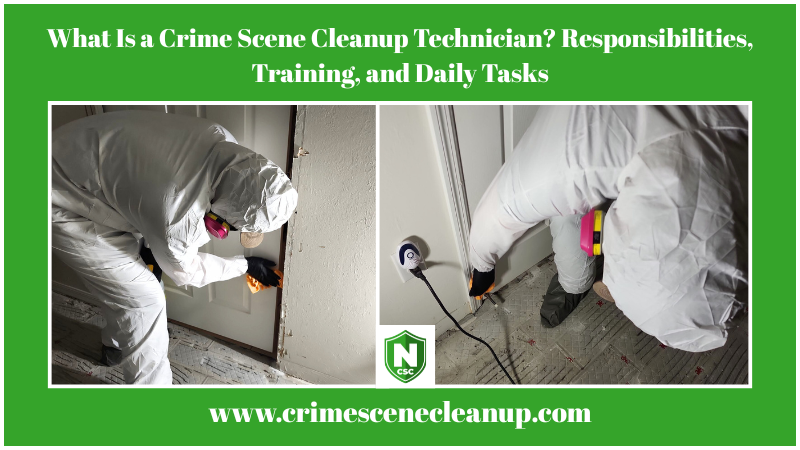
When something traumatic happens in a home or business, the immediate focus is on safety and emergency response. But once first responders leave, many people are left standing in the space wondering what happens next—and how it will ever feel normal again.
That’s where understanding what is a crime scene cleanup technician becomes important. These are the professionals who step in during some of the most difficult moments, handling the cleanup process safely and respectfully so you don’t have to face it alone.
If you’re trying to figure out what kind of help is available, exploring our professional cleanup services can give you a clearer sense of what support looks like and how the process is handled from start to finish.
What Is a Crime Scene Cleanup Technician?
A crime scene cleanup technician is a trained specialist who cleans, disinfects, and restores areas affected by traumatic events. This includes situations like homicides, suicides, unattended deaths, and serious accidents.
At its core, the answer to what is a crime scene cleanup technician is simple:
They are the professionals who make a space safe again after a biohazard event.
But the work itself is anything but simple.
These technicians are responsible for:
- Removing biohazardous materials
- Eliminating harmful bacteria and viruses
- Restoring the area to a safe, livable condition
- Handling every step with discretion and care
This is not standard cleaning. It requires specialized training, strict safety protocols, and experience in high-risk environments.
Why This Work Requires Professionals
When people first ask what is a crime scene cleanup technician, they often underestimate what’s involved.
Biohazards are not always visible. Blood and fluids can seep into:
- Flooring and subflooring
- Walls and baseboards
- Furniture and personal belongings
Without proper biohazard cleanup, this can lead to serious risks:
- Exposure to bloodborne pathogens
- Lingering contamination and odors
- Long-term structural damage
- Health and legal concerns
That’s why crime scene cleanup technicians follow strict guidelines set by agencies like:
- OSHA (Occupational Safety and Health Administration)
- CDC (Centers for Disease Control and Prevention)
- EPA (Environmental Protection Agency)
- U.S. Department of Transportation (for hazardous waste transport)
These regulations exist to protect both the people performing the cleanup and anyone who enters the space afterward.
What Does a Crime Scene Cleanup Technician Actually Do?
To fully understand what is a crime scene cleanup technician, it helps to look at the actual responsibilities involved.
1. Careful Scene Assessment
Every job starts with a detailed evaluation.
Technicians determine:
- How far contamination has spread
- What materials are affected
- What safety measures are needed
This step shapes everything that follows.
2. Containment and Safety Measures
Before crime scene cleanup begins, the area is secured.
This may involve:
- Isolating the affected space
- Setting up containment barriers
- Using air filtration systems
The goal is simple: prevent contamination from spreading.
3. Removal of Biohazard Materials
All hazardous materials must be removed safely and completely.
This can include:
- Blood and bodily fluids
- Tissue and organic matter
- Contaminated furniture or materials
Everything is handled according to strict biohazard waste disposal protocols.
4. Deep Cleaning and Disinfection
After removal, the space is thoroughly cleaned using professional-grade disinfectants.
This process eliminates:
- Bacteria
- Viruses
- Invisible contaminants
It’s not just about appearance—it’s about safety.
5. Odor Removal and Air Treatment
Odors can linger long after visible biohazard cleanup is complete.
Technicians use specialized tools like:
- HEPA filtration systems
- Advanced deodorization methods
This step restores air quality and comfort.
6. Safe Transport and Disposal
Biohazard waste cannot be thrown away like normal trash.
Technicians:
- Package materials in approved containers
- Label and transport them properly
- Dispose of them at licensed facilities
Improper disposal can create serious health and legal issues.
A Day in the Life of a Crime Scene Cleanup Technician
No two days are the same, but the structure is consistent.
A typical day may look like this:
- Receiving a call and gathering details
- Traveling quickly to the location
- Assessing the scene
- Setting up safety zones
- Performing cleanup and disinfection
- Documenting the process for compliance or insurance
- Communicating with those involved when appropriate
When people ask what is a crime scene cleanup technician, this day-to-day reality highlights both the technical demands and the responsibility involved.
Tools and Equipment Used
Crime scene cleanup technicians rely on specialized equipment designed for safety and precision.
Common tools include:
- Full personal protective equipment (PPE)
- Industrial disinfectants
- HEPA-filtered vacuums
- Biohazard waste containers
- Testing tools to confirm sanitation
These tools are essential for doing the job correctly—and safely.
Training and Certification
Another key part of understanding what is a crime scene cleanup technician is recognizing the level of training required.
This work involves more than cleaning—it requires technical knowledge and compliance with strict regulations.
Training typically includes:
- Bloodborne pathogen safety (OSHA standards)
- Hazardous waste handling (HAZWOPER)
- Proper use of protective equipment
- Decontamination procedures
- Chemical safety
Many technicians also receive ongoing training to stay current with regulations and best practices.
Skills That Matter Most
Training alone isn’t enough.
The best crime scene cleanup technicians also bring:
- Strong attention to detail
- The ability to stay calm under pressure
- Respect for sensitive situations
- Clear communication
- Problem-solving skills
This work requires both technical ability and emotional awareness.
Crime Scene Cleanup vs. Standard Cleaning
| Feature | Crime Scene Cleanup | Standard Cleaning |
| Biohazard Handling | Yes | No |
| Safety Regulations | Strict (OSHA, CDC, EPA) | Minimal |
| Equipment | Specialized | Basic |
| Health Risk Level | High | Low |
| Required Training | Extensive | Minimal |
This comparison makes it clear why professional help is necessary.
When Are Crime Scene Cleanup Technicians Needed?
People often think this only applies to criminal cases. It doesn’t.
Crime scene cleanup technicians are called for:
- Homicides
- Suicides
- Unattended deaths
- Serious accidents
- Workplace incidents
- Vehicle-related biohazards
In many of these situations, people also have questions about responsibility.
If you’re unsure who is expected to handle cleanup after an incident, this guide can help clarify:
who is responsible for cleaning up after a crime scene.
Understanding both what is a crime scene cleanup technician and who is responsible for cleanup can help you make informed decisions quickly.
The Human Side of the Work
Behind every job is a real situation—often involving loss, stress, or uncertainty.
A professional crime scene cleanup team will approach each scene with:
- Respect for the people affected
- Sensitivity to the situation
- A focus on restoring normalcy
This part of the work matters just as much as the technical side.
Why DIY Cleanup Is Not Safe
One of the most important takeaways when learning what is a crime scene cleanup technician is this is not something most people should attempt on their own.
Without proper training and equipment, DIY cleanup can lead to:
- Exposure to harmful pathogens
- Incomplete decontamination
- Improper disposal of hazardous waste
- Emotional distress
Professional crime scene restoration ensures the job is done safely and completely.
Frequently Asked Questions
What is a crime scene cleanup technician responsible for?
A crime scene cleanup technician removes biohazard materials, disinfects contaminated areas, and restores the environment to a safe condition while following strict health and safety regulations.
Is crime scene cleanup dangerous?
Yes. It involves exposure to potentially infectious materials and hazardous environments, which is why specialized training and protective equipment are required.
Who is responsible for cleaning up after a crime scene?
In most cases, the property owner is responsible. However, professional crime scene cleanup technicians handle the process safely and in compliance with regulations.
How long does crime scene cleanup take?
It depends on the severity of the situation. Some cleanups take a few hours, while others may take several days.
Will insurance cover crime scene cleanup?
Many insurance policies may cover these services. Professional documentation from cleanup technicians often helps support claims.
Final Thoughts
Understanding what is a crime scene cleanup technician helps bring clarity during difficult and uncertain moments.
This work is detailed, regulated, and essential for safety. It involves far more than cleaning—it requires training, experience, and the ability to handle sensitive situations with care.
Most importantly, it ensures that spaces are fully restored and safe to return to.
If you’re facing a situation where this kind of help is needed, you don’t have to figure it out alone.
You can reach out to National Crime Scene Cleanup 24/7.
