Everything You Need to Know About Biohazard Cleanup Standards
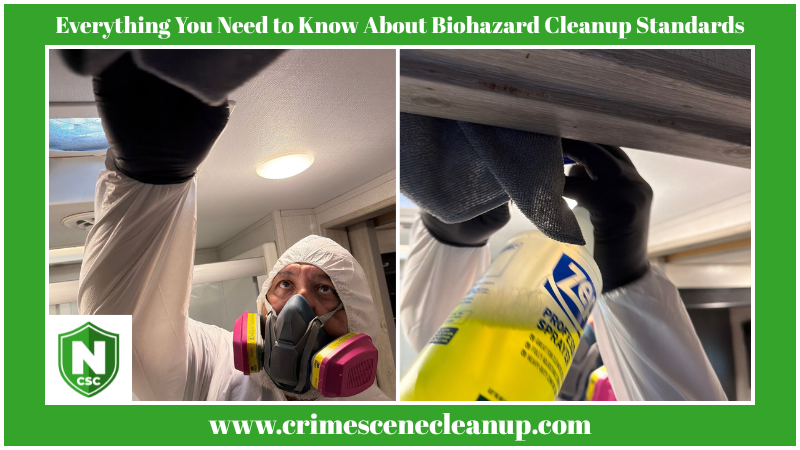
When a traumatic event or biohazardous situation occurs, the aftermath requires more than just a surface-level clean. The health and safety of future occupants depend on a meticulous, professional remediation process guided by strict regulations. We have a full guide below that breaks down everything you need to know about biohazard cleanup standards, so you understand what proper remediation entails. If you face a biohazard situation, do not hesitate; contact a certified professional immediately for safe and compliant cleanup.
The Foundation: OSHA and a Duty of Care
Biohazard cleanup is not a job for a standard janitorial service. It’s a specialized field governed by health and safety regulations, primarily from the Occupational Safety and Health Administration (OSHA). These rules exist to protect workers who may come into contact with bloodborne pathogens and other potentially infectious materials (OPIM). A failure to follow these protocols can lead to serious health consequences and legal liabilities.
OSHA’s Bloodborne Pathogens Standard (29 CFR 1910.1030) is the cornerstone of biohazard remediation. It mandates specific work practices, personal protective equipment (PPE), and disposal procedures. Any company that performs this work must have a written exposure control plan that details how its team will handle these hazards safely. This plan is not just paperwork; it’s a life-saving blueprint for every job.
These regulations create a framework for professional conduct. They establish that remediation is a scientific process which involves containment, disinfection, and verification. It’s about restoring a space to a condition that is safe for human habitation, free from unseen dangers.
Personal Protective Equipment (PPE): The First Layer of Defense
You cannot address a biohazard scene without the correct gear. PPE is always necessary and serves as a barrier between the technician and dangerous pathogens like HIV, Hepatitis B, and Hepatitis C. The type of PPE necessary depends on the specific situation, but some items are standard across most jobs.
A full-body suit, typically made of a non-porous material like Tyvek, is the first component. This suit prevents contaminated fluids from touching the technician’s skin or clothes. It’s complemented by double-layer gloves, shoe coverings, and a respirator. The respirator is critical, as it filters the air to prevent the inhalation of airborne pathogens or disinfection chemicals.
Technicians receive extensive training on how to properly wear and remove their PPE. There is a precise sequence to remove contaminated gear that prevents cross-contamination. This attention to detail protects the technician, the property, and the public from further exposure.
The Cleanup Process: A Step-by-Step Approach
Proper biohazard cleanup follows a methodical, multi-step process. Professionals do not just wipe down surfaces; they execute a detailed plan to remove all traces of biological material and disinfect the affected area completely.
Containment and Initial Removal
The first action on-site is to establish a containment zone. Technicians use plastic sheeting and negative air pressure machines to isolate the affected area. This action prevents the spread of contaminants to other parts of the property during the cleanup.
Once the area is secure, the team begins the removing biohazardous materials. This involves the careful extraction of all visible blood, bodily fluids, and contaminated materials. Porous items like carpets, drywall, and upholstered furniture that have absorbed biological fluids are typically unsalvageable. They must be cut out, sealed in biohazard bags, and prepared for proper disposal.
Cleaning, Disinfection, and Deodorization
After removing the bulk of the contamination, the deep clean can commence. Technicians use hospital-grade disinfectants, which are registered with the Environmental Protection Agency (EPA), to treat all surfaces within the containment zone. These are powerful chemical agents that kill viruses, bacteria, and other microorganisms.
The application of these disinfectants must follow manufacturer guidelines for concentration and dwell time. Dwell time refers to the period a surface must remain wet with the disinfectant to be effective. After disinfection, the area undergoes cleaning again to remove any chemical residue. The final step is deodorization, which uses specialized equipment like ozone generators or hydroxyl machines to eliminate any lingering odors.
Regulated Medical Waste Disposal
You can’t just throw biohazard-contaminated materials in a regular dumpster. All waste generated during a cleanup is always classified as regulated medical waste. This includes saturated items, PPE, and even the cleaning cloths used in the process.
Cleaning crews must package this waste in specially marked, leak-proof containers. These are typically red bags or sharps containers that are clearly labeled with the universal biohazard symbol. A licensed medical waste disposal company then collects these containers for transport to a facility that can safely destroy them, usually through incineration.
This strict chain of custody for waste disposal is a legal requirement. It prevents contaminated materials from ending up in a landfill, where they could pose a risk to public health and the environment. Documentation, known as a manifest, tracks the waste from the site to its final destruction.
Training and Certification: The Mark of a Professional
The individuals who perform this work are not just cleaners; they are highly trained technicians. Reputable companies invest heavily in continuous education for their teams. This training covers OSHA standards, PPE usage, chemical safety, and the specific protocols for different types of biohazard scenes.
Certifications from organizations like the Institute of Inspection, Cleaning and Restoration Certification (IICRC) demonstrate a firm’s commitment to industry best practices. An IICRC-certified firm adheres to a code of ethics and has proven its knowledge in the field. When you hire a certified professional, you get peace of mind that the is fully complete when they leave.
This expertise is what truly differentiates a professional remediation company. Technicians understand the science behind the pathogens they face and the chemicals they use. They can assess a scene, develop a safe work plan, and execute it with precision. No matter what time or date it is, you can always call a reputable specialist for emergency biohazard cleanup assistance.
Why You Must Follow the Rules
Biohazard remediation is carefully governed by a complex web of local, state, and federal regulations. This guide offers a high-level view, but the specifics can vary by location. The consistent thread is the need for a professional, documented approach that prioritizes health and safety above all else. Understanding everything you need to know about biohazard cleanup standards reinforces why this work must be left to trained and certified experts.
Attempting to handle a biohazard situation without the proper training or equipment exposes you and others to unacceptable risks. Protect your health, your property, and your peace of mind. If you require assistance, call a certified team for an immediate response.
