How Crime Scene Cleanup Companies Protect Your Privacy
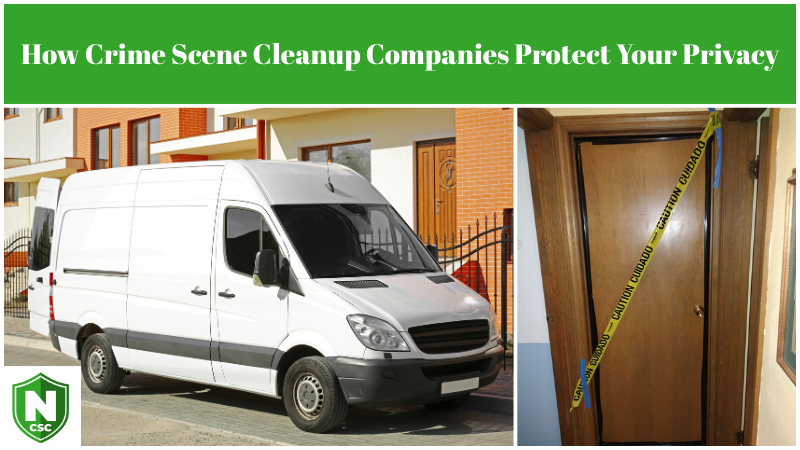
When tragedy strikes, privacy matters. Families and property owners don’t just need cleanup—they need peace of mind, dignity, and confidentiality. Professional cleanup companies understand this, providing discreet crime scene cleanup, confidential biohazard cleaning, and respect for trauma scene privacy at every step.
Here’s how companies uphold your privacy while restoring safety to your property.
1. Discreet Arrival & Unmarked Vehicles
One of the first ways companies protect your privacy is by keeping a low profile. Crews often arrive in unmarked vehicles and wear neutral clothing, ensuring that neighbors or passersby don’t immediately know a traumatic event has taken place. This practice protects your dignity while allowing cleanup to proceed without added attention.
2. Strict Confidentiality Agreements
Professional cleanup teams are bound by confidentiality agreements and company policies that prohibit sharing case details outside of what is legally required. This ensures that private family information, incident details, or sensitive property conditions remain confidential.
Just as doctors and therapists safeguard patient privacy under HIPAA, biohazard cleanup companies follow a similar ethic of discretion, even though they are not legally bound by HIPAA.
3. Careful Handling of Information
Privacy extends to documentation and communication:
- Secure records: Any reports, invoices, or photographs taken during cleanup are handled securely and only shared with insurance companies, property managers, or law enforcement if authorized.
- Selective communication: Technicians avoid unnecessary details in conversation and use respectful language, ensuring that clients are not retraumatized by casual discussion of the event.
- Controlled access: Information is shared only with essential parties involved in the case.
This ensures confidential biohazard cleaning services protect not only the physical scene but also sensitive personal information.
4. Restricted Access to Trauma Scenes
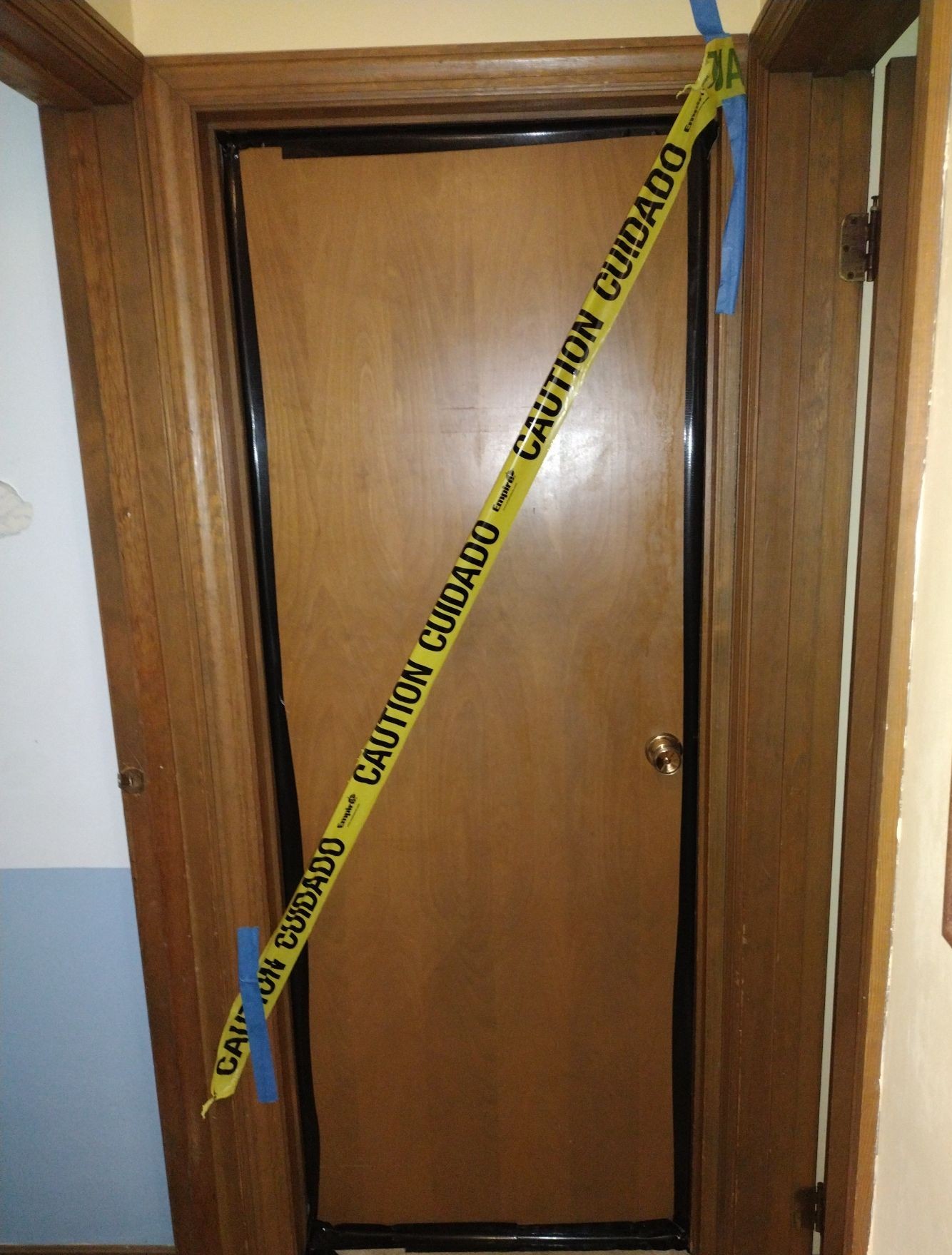 Maintaining trauma scene privacy also means controlling who has access to the cleanup site. Reputable providers:
- Limit access to trained, authorized technicians.
- Establish barriers or restricted zones to prevent entry by curious onlookers.
- Follow local health department requirements to prevent biohazard exposure.
This protects families, property owners, and communities while ensuring privacy is preserved.
5. Professional Training & Ethical Standards
Crime scene cleanup isn’t just about removing hazards—it’s about how the work is performed. Companies train their technicians not only in safety protocols but also in compassionate, ethical conduct.
- OSHA Bloodborne Pathogen Standard (OSHA 29 CFR 1910.1030) ensures technicians know how to safely handle potentially infectious materials.
- EPA regulations (EPA Biohazard Waste Guidelines) govern how waste must be contained, transported, and destroyed.
- The American Bio Recovery Association (ABRA) publishes industry guidelines that emphasize professionalism, ethics, and confidentiality in trauma scene cleanup.
These standards guide technicians not only in how to clean but also in how to respect the privacy of those they serve.
6. Secure Handling & Disposal of Biohazard Materials
Privacy protection doesn’t stop when the cleaning is done—it extends to how waste is disposed of.
- All contaminated materials are packaged in sealed, regulated containers that meet Department of Transportation (DOT) standards.
- Waste is transported only by licensed carriers to approved disposal facilities.
- Personal identifiers or sensitive belongings are handled with care to avoid unnecessary exposure.
This ensures no information or materials leave the site in a way that could compromise privacy.
7. Trauma-Informed Approach to Client Care
Privacy is also emotional. Families experiencing tragedy need cleanup professionals who approach them with compassion and sensitivity. Many companies train staff in trauma-informed communication, which includes:
- Avoiding judgmental or intrusive questions.
- Preserving sentimental or personal items whenever possible.
- Offering support resources when families request them, such as local victim assistance programs (U.S. Office for Victims of Crime).
By combining discretion with empathy, companies provide not only a service but also peace of mind.
8. Legal & Ethical Considerations
Protecting privacy during crime scene cleanup is also a matter of compliance:
- Health & safety compliance: Companies must follow OSHA and EPA rules to prevent contamination and ensure safe waste disposal.
- Confidentiality compliance: While not governed by HIPAA, companies are often bound by insurance contracts, local laws, and ethical codes that require confidentiality.
- Insurance reporting: Only necessary details are shared with insurers, avoiding overexposure of sensitive information.
This balance of legal compliance and ethical responsibility ensures that privacy is protected while meeting all required safety standards.
Final Thoughts
When dealing with a traumatic incident, privacy is just as important as safety. Reputable crime scene cleanup companies protect you through discreet crime scene cleanup, confidential biohazard cleaning, and an unwavering commitment to trauma scene privacy.
By combining professional training, legal compliance, secure waste handling, and compassion, these companies ensure that your dignity is preserved during one of life’s most difficult moments.
