Crime Scene Cleanup Timelines: How Long Does Crime Scene Cleanup Take
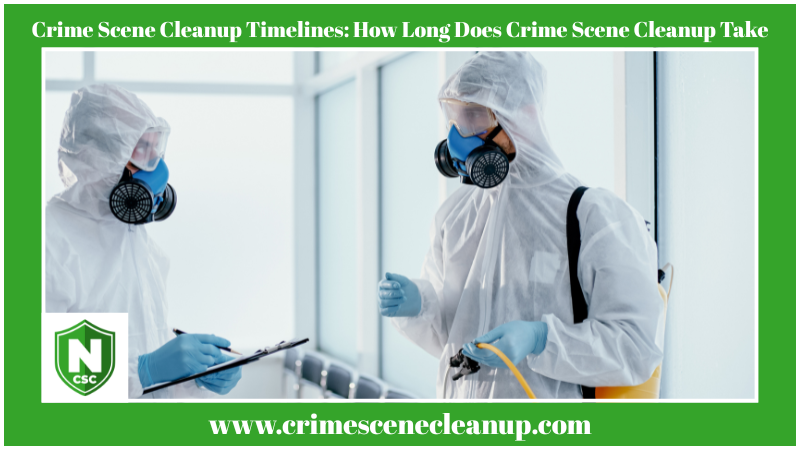
After a crime or traumatic event, questions often arise quickly—especially about what happens next. One of the most common is how long does crime scene cleanup take. While some scenes can be resolved in a matter of hours, others require days of controlled, methodical work. Cleanup timelines depend on the type of incident, the level of contamination, and the condition of the property. Understanding how the cleanup process works from start to finish helps set clear expectations and explains why trained crime scene cleanup professionals are essential for safety and compliance.
How Long Does Crime Scene Cleanup Take on Average?
In most situations, crime scene cleanup takes anywhere from a few hours to several days. Minor scenes may be completed the same day, while complex or heavily contaminated environments can require multiple visits.
Here’s a general breakdown:
- Small, contained scenes: 2–6 hours
- Moderate contamination (single room or vehicle): 6–24 hours
- Large or severe scenes (multiple rooms, structural impact): 1–5 days or longer
The key variable is not speed—it’s safety. Thorough decontamination is essential to eliminate biohazards, odors, and unseen risks.
The Complete Crime Scene Cleanup Timeline
Every situation is different, but most cleanups follow a similar start-to-finish process.
1. Initial Call and Emergency Response
Most reputable companies offer emergency crime scene cleanup 24/7. Once contact is made, a response team is dispatched as quickly as possible—often within hours.
During this stage:
- Basic information is gathered
- Immediate safety risks are identified
- Access to the scene is coordinated (often after law enforcement release)
Fast response can significantly reduce long-term damage and cleanup time.
2. On-Site Assessment and Safety Planning
Once technicians arrive, they conduct a detailed evaluation of the scene. This assessment determines how long the cleanup will take and what methods are required.
Key factors evaluated include:
- Type of incident (homicide, unattended death, accident)
- Amount and spread of blood or bodily fluids
- Porous vs. non-porous materials
- Air quality and odor penetration
- Structural damage, if any
This step ensures that the cleanup plan is precise and compliant with health and safety regulations.
3. Containment and Hazard Control
Before cleaning begins, the area is secured to prevent cross-contamination.
This may involve:
- Sealing off affected rooms
- Setting up negative air pressure systems
- Wearing full personal protective equipment (PPE)
Containment is critical and directly affects how efficiently the rest of the process moves forward.
4. Removal of Biohazardous Materials
This is often the most time-intensive phase. All affected materials that cannot be safely cleaned are removed and disposed of according to state and federal regulations.
Examples include:
- Carpet and padding
- Drywall or insulation
- Upholstered furniture
- Personal items with irreversible contamination
The extent of removal has a major impact on how long biohazard cleanup services take.
5. Cleaning, Disinfection, and Decontamination
After removal, technicians clean and disinfect all salvageable surfaces using hospital-grade disinfectants and specialized equipment.
This process includes:
- Deep cleaning of floors, walls, and fixtures
- Neutralization of pathogens
- Odor control treatments
- Air filtration and deodorization
This stage ensures the property is safe for reentry, not just visually clean.
6. Final Inspection and Clearance
Before the job is complete, cleanup teams conduct a final inspection to confirm that all biohazards have been eliminated.
Final steps may include:
- Verification of sanitation standards
- Post-cleanup testing (when required)
- Documentation for property owners or insurance providers
Once cleared, the space is safe to occupy or begin restoration work.
What Factors Affect Crime Scene Cleanup Time?
Several variables influence the total timeline. Even scenes that appear similar on the surface can require very different approaches.
Key Factors That Extend or Shorten Cleanup Time
- Severity of contamination: More biohazards mean more labor and time
- Size of the affected area: Single-room vs. whole-property cleanup
- Material types: Porous materials take longer to address
- Time elapsed before cleanup: Delayed response allows deeper penetration
- Environmental conditions: Heat and humidity can worsen contamination
- Structural involvement: Subfloors or walls increase complexity
Promptly calling crime scene cleanup professionals often reduces both time and cost.
Crime Scene Cleanup by Scenario: Time Comparison
| Type of Scene | Typical Cleanup Time | Notes |
| Minor accident or injury | 2–6 hours | Limited contamination |
| Vehicle crime scene | 4–12 hours | Depends on interior materials |
| Homicide cleanup | 1–3 days | Often multi-room |
| Unattended death | 2–5 days | Advanced decomposition increases scope |
This table reflects averages. Actual timelines vary based on site conditions and safety requirements.
Why Professional Cleanup Takes Longer Than DIY Attempts
Some people consider handling cleanup themselves to save time or money. In reality, DIY efforts often extend the overall timeline and create serious health risks.
Risks of Untrained Cleanup
- Incomplete removal of pathogens
- Spread of contamination to clean areas
- Exposure to bloodborne illnesses
- Lingering odors and structural damage
- Improper disposal of hazardous waste
Professional crime scene cleanup teams follow strict protocols designed to fully resolve the problem the first time.
Can Crime Scene Cleanup Be Done the Same Day?
Yes, in many cases. Emergency crime scene cleanup services can often begin and finish on the same day for smaller or contained scenes.
Same-day completion is more likely when:
- The affected area is limited
- Cleanup begins immediately after release
- Structural materials are not compromised
Larger or more complex scenes may require multiple days to ensure complete decontamination.
How Insurance Impacts the Cleanup Timeline
Insurance coordination can influence how quickly work begins, but reputable companies prioritize safety first.
Common insurance-related steps include:
- Policy verification
- Documentation of damage
- Coordination with adjusters
Our team works alongside insurance companies to streamline approvals and prevent hold-ups.
Geographic Considerations and Response Times
Response times may vary slightly based on location, but national providers with regional teams can typically respond quickly across urban, suburban, and rural areas.
Local factors that may affect timelines:
- Accessibility of the property
- Local disposal regulations
- Weather-related conditions
Nationwide support and local familiarity allow us to respond quickly and maintain predictable timelines.
Frequently Asked Questions About Crime Scene Cleanup Time
How long does crime scene cleanup take after police leave?
Cleanup can usually begin immediately after law enforcement releases the scene. In many cases, teams arrive within hours.
Does odor removal add extra time?
Yes. Odor neutralization, especially in unattended death cases, can add several hours or days depending on severity.
Is cleanup faster in commercial properties?
Not always. Larger spaces and public safety requirements can extend timelines.
Can families stay in the home during cleanup?
In most cases, it’s safer to vacate affected areas until cleanup is complete.
What to Expect Emotionally During the Process
While timelines focus on logistics, it’s important to acknowledge the emotional weight involved. Professional cleanup teams are trained to work discreetly and respectfully, minimizing disruption while restoring safety.
Compassionate service doesn’t slow the process—it ensures it’s handled correctly.
What to Know Before Cleanup Begins
Crime scene cleanup timelines vary, but the goal remains the same: restore safety, eliminate health risks, and allow healing to begin.
What to remember:
- Cleanup may take hours or days depending on severity
- Immediate response reduces long-term damage
- Professional services protect health and property
- Thorough decontamination is non-negotiable
When time, safety, and peace of mind matter, trusted help makes all the difference.
For immediate assistance or to learn more about available biohazard cleanup services, contact National Crime Scene Cleanup’s Biohazard Specialists today.
Help is available 24/7. The first step is reaching out.
