-
New York's Leading Biohazard & Trauma Scene Cleaners
Certified Crime Scene Cleanup in New York State
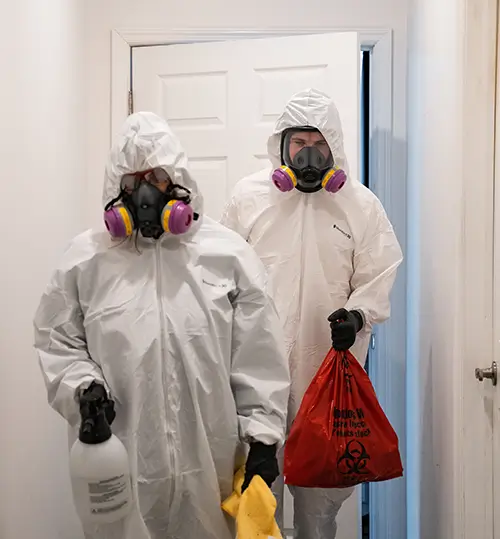
After a traumatic event, blood, bodily fluids, and other hazardous material can remain in the affected space. These materials require careful handling and shouldn’t be cleaned with ordinary household products.
NCSC provides crime scene cleanup in the state of NY, serving homes and properties across New York City, Long Island, Upstate New York, and the communities in between.

Proudly trusted by industry organizations:

-
Combined Experience of Over 20 Years
New York-Based Biohazard Cleanup Experience
National Crime Scene Cleanup (NCSC) has provided trauma scene and biohazard cleanup since 2014, supported by more than 20 years of combined industry experience. Our crews understand the safety, privacy, and waste-handling requirements involved in New York cleanups.
Local Services Offered in New York
Biohazard cleanup addresses biological materials that can expose people to harmful pathogens. New York properties often require added care in shared buildings where contamination or odors can affect hallways, elevators, and nearby units.
An unattended death can cause fluids and odors to spread beneath floors, behind walls, and into surrounding materials. Our cleanup crews remove the affected materials and restore properties throughout New York to a safe condition.
Vehicle biohazard cleanup removes blood, bodily fluids, and related contamination from personal and commercial vehicles. The process may involve cleaning beneath seats, flooring, interior panels, and other areas where fluids have spread.
We handle the insurance
Dealing with a traumatic event is hard enough—let us handle the insurance process for you. We work directly with your provider to cover the cleanup cost, so you don’t have to worry.
Servicing all of New York, including:
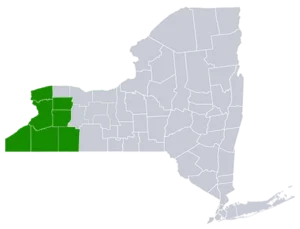
Buffalo
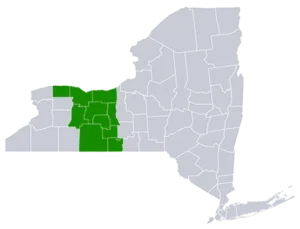
Rochester

Syracuse
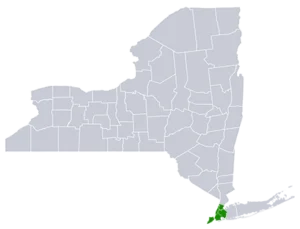
New York City
Yonkers
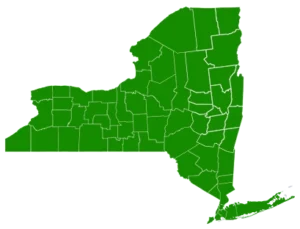
Everywhere in Between
-
Federal, State, & Local Licensure
Fully Licensed Nationwide and in New York
New York has specific requirements for handling and transporting waste produced during certain biohazard cleanups. NCSC follows the rules that apply to each project, from containing affected materials at the property to documenting and transporting waste off-site.
The New York State Department of Environmental Conservation regulates the transportation of covered waste under 6 NYCRR Part 364. When material from a cleanup qualifies as regulated medical waste, it must be packaged correctly, tracked during transportation, and delivered to a facility authorized to receive it. The DEC and New York State Department of Health share oversight of the state’s regulated medical waste program.
Cleanup work can also uncover mold or suspected asbestos, especially when contaminated flooring, walls, or other building materials must be removed. The New York State Department of Labor maintains separate licensing and certification requirements for mold and asbestos work. If either material is present, the property must be evaluated and handled under the rules that apply to that hazard.
NCSC also follows the Occupational Safety and Health Administration Bloodborne Pathogens Standard when employees may encounter blood or other potentially infectious material. These requirements help protect technicians, building occupants, and anyone who enters the property after cleanup.
What is Covered Under Part 364?
New York’s Part 364 regulations control how regulated waste is transported within the state. These rules help prevent spills, improper disposal, and public exposure during transportation.
Part 364 requires transporters to:
- Use authorized vehicles with enclosed and secured cargo areas.
- Package and secure waste to prevent leaks or movement.
- Carry the required permit and tracking documents.
- Deliver waste to an approved facility listed on the permit.
- Keep transportation records for at least three years.
Additional rules apply to regulated medical waste. Employees must complete hazardous-material training at least every three years, and vehicles must provide secondary containment for liquids. Vehicles removed from service must also be decontaminated or disinfected.
New York requires the transporter’s name to appear on both sides of the vehicle. The permit number must appear on both sides and the rear in contrasting characters at least three inches high. NCSC avoids unnecessary promotional graphics while displaying all identification required by law.
Available 24/7 365
Our lines are open around the clock, call us anytime and we will be able to address your situation promptly.
-
Answers
Frequently asked questions
Unexpected tragedies often leave us with many questions. We’re here to provide answers and support during this difficult time. Below are some common inquiries, but please don’t hesitate to reach out with any other concerns you may have.
What does crime and trauma scene cleanup in New York involve?
Crime and trauma cleanup includes the removal of blood, bodily fluids, and other biohazards, followed by deep cleaning, sanitization, and odor removal to restore the area safely.
How soon can your team arrive?
We offer 24/7 emergency response and can typically arrive within a few hours, depending on your location.
Is crime and trauma cleanup covered by insurance?
Yes, most homeowners’, business, renters’, and auto insurance policies cover biohazard cleanup. We work directly with insurance providers to handle the claims process for you.
Need more information? Our FAQ page provides additional details to address your concerns.
