Odor Removal Challenges in an Apartment After a Crime Scene
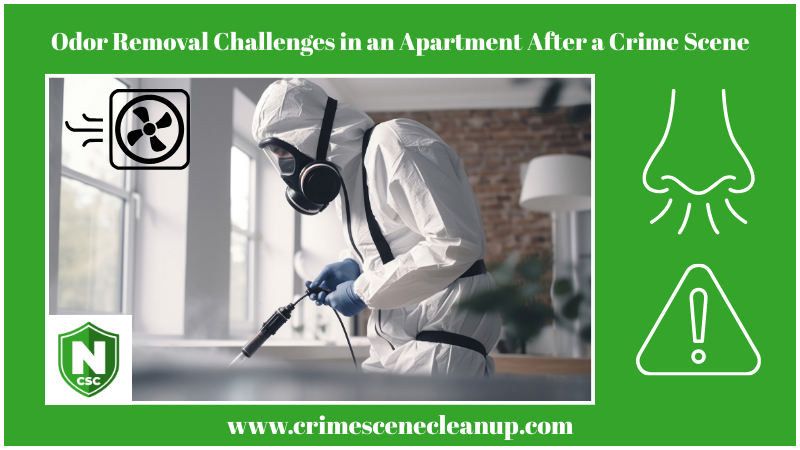
When responding to an apartment after a crime scene, one of the most persistent and overlooked problems we encounter is odor. Biological contamination can release strong smells that settle into flooring, walls, fabrics, and ventilation systems. Even after visible materials are removed, odor molecules may remain trapped deep within structural surfaces.
Our team frequently finds that odor spreads far beyond the original area of contamination. In apartment buildings, shared walls, air ducts, and subflooring allow smells to travel throughout the unit and sometimes into neighboring spaces. This makes professional odor remediation essential for restoring safe indoor air conditions.
Addressing these situations requires more than surface cleaning. We follow strict safety procedures, remove contaminated materials when necessary, and apply specialized deodorization technology designed for odor removal service to eliminate the smell at the source.
By identifying hidden contamination and treating the environment thoroughly, we work to restore apartments to a safe and livable condition for occupants, property managers, and future residents.
Why Odors Develop in an Apartment After a Crime Scene
Odors following a traumatic incident typically originate from biological decomposition, bodily fluids, or microbial growth. Organic material begins breaking down quickly, releasing gases that create strong and often persistent smells.
In an apartment after a crime scene, these odors may travel beyond the original area of contamination due to ventilation systems, porous surfaces, and structural materials.
Common odor sources include:
- Blood and bodily fluids absorbed into flooring or subfloors
- Tissue decomposition and microbial activity
- Contaminated furniture or fabrics
- HVAC systems circulating odor particles
- Moisture trapped in walls or insulation
Even small amounts of biological material can produce noticeable odors if left untreated.
How Odors Spread Throughout an Apartment After a Crime Scene
Odor molecules are extremely small. Once released into the air, they can move through spaces quickly.
In apartment buildings, several structural features allow odors to spread:
- Shared ventilation systems
- Wall cavities and insulation
- Carpet padding and subflooring
- Air pressure differences between units
- Plumbing openings or utility channels
Because of this, contamination inside one unit may affect adjacent apartments. Proper crime scene remediation prevents the spread of odor particles and protects indoor air quality.
Materials That Trap Odors in Crime Scene Environments
Certain materials commonly found in an apartment after a crime scene absorb organic material and odor particles easily.
Porous Materials
Porous materials allow fluids and bacteria to penetrate beneath the surface.
Examples include:
- Carpet and padding
- Upholstered furniture
- Wood flooring
- Drywall
- Insulation
These materials often require removal because odors cannot be fully eliminated once biological contamination reaches deep layers.
Semi-Porous Surfaces
Semi-porous materials absorb less contamination but may still require treatment.
Examples include:
- Concrete
- Tile grout
- Composite flooring
- Laminate surfaces
These surfaces often require specialized disinfectants and odor neutralization techniques.
The Complexity of Odor Removal in Multi-Unit Housing
Odor remediation in an apartment after a crime scene presents unique challenges compared to single-family homes.
Apartment buildings introduce additional variables such as shared infrastructure and limited access to structural components.
Key complications include:
- Odor migration through neighboring units
- Restricted access to ventilation systems
- Structural materials hidden behind walls
- Property management coordination
- Occupied neighboring apartments
These factors require careful containment and methodical remediation to ensure odors are fully removed.
The Professional Crime Scene Odor Removal Process
Odor remediation begins with identifying contamination sources. Every crime scene is different, and each requires a tailored remediation strategy.
National Crime Scene Cleanup’s technicians use a structured approach to restore safety and air quality.
1. Initial Assessment of the Apartment After a Crime Scene
Technicians examine the apartment after a crime scene to determine the extent of contamination.
This includes identifying:
- Biological materials
- Odor penetration points
- Structural damage
- Air circulation patterns
Moisture meters, air quality tools, and inspection lighting help locate hidden contamination.
2. Containment and Safety Preparation
Containment prevents odor particles and biohazards from spreading further.
This step may include:
- Negative air pressure systems
- Sealed work zones
- Air filtration units
- Protective barriers
Technicians wear personal protective equipment and follow strict safety protocols during remediation.
3. Removal of Contaminated Materials
Materials that cannot be restored must be safely removed.
Examples include:
- Contaminated carpet and padding
- Subfloor sections
- Drywall
- Furniture
- Personal items affected by biological material
Removing contaminated materials eliminates the primary source of odor.
4. Deep Cleaning and Disinfection
After removal, all affected surfaces undergo thorough cleaning and disinfection.
Cleaning typically includes:
- Hospital-grade disinfectants
- Enzymatic cleaners
- Specialized biohazard detergents
These products break down organic compounds responsible for persistent smells.
5. Advanced Odor Neutralization
The final stage addresses remaining airborne odor molecules.
Common technologies include:
- Hydroxyl generators
- Ozone treatments in controlled conditions
- Thermal fogging
- HEPA air filtration
These techniques neutralize odor compounds embedded in the environment.
Those dealing with an apartment after a crime scene often require specialized remediation techniques such as professional crime scene odor removal to eliminate persistent smells and restore indoor air quality.
Common Odor Removal Technologies
Different technologies serve different purposes depending on the contamination level.
| Technology | Purpose | Best Use | Result |
| HEPA Air Filtration | Removes airborne particles | Initial containment and air cleaning | Improves indoor air quality |
| Ozone Treatment | Breaks down odor molecules | Severe odor conditions | Neutralizes lingering smells |
| Hydroxyl Generators | Safe odor oxidation | Occupied spaces | Continuous odor reduction |
| Thermal Fogging | Penetrates hidden spaces | Structural odor contamination | Neutralizes deep odors |
Each method is selected based on the severity of contamination and building structure.
Health Risks Linked to Persistent Odors
Odors in an apartment after a crime scene are often linked to biological hazards. These hazards can present health risks if not addressed properly.
Potential risks include:
- Exposure to bacteria and pathogens
- Respiratory irritation
- Mold development
- Indoor air quality deterioration
Removing odor sources helps eliminate these risks and restore a safe environment.
Regulations and Safety Guidelines Governing Odor Remediation in an Apartment After a Crime Scene
Professional crime scene restoration follows strict safety regulations when handling biological contamination and hazardous waste.
Several federal guidelines apply directly to odor removal situations tied to biological materials.
OSHA Bloodborne Pathogens Standard
The Occupational Safety and Health Administration regulates worker protection during biohazard remediation.
This includes exposure prevention, personal protective equipment, and contamination control procedures. If you want to learn more about OSHA standards, click here.
EPA Indoor Air Quality and Decontamination Guidance
The Environmental Protection Agency provides standards for improving indoor air quality after contamination events.
EPA air quality guidelines address ventilation, odor control, and removal of hazardous biological materials.
CDC Infection Control and Environmental Cleaning
The Centers for Disease Control and Prevention (CDC) provides recommendations for cleaning environments contaminated with bodily fluids and organic material.
These protocols guide proper sanitation and odor-causing pathogen removal.
Signs an Apartment Still Contains Hidden Odor Sources
Sometimes odors persist because contamination remains hidden beneath structural materials.
Common indicators include:
- Smell returning after cleaning
- Odors strongest near floors or walls
- Persistent musty or biological smells
- Neighboring units noticing unusual odors
- Air vents carrying odors throughout the apartment
When these signs appear, deeper odor remediation may be required.
Why Odor Removal Must Be Thorough
Incomplete remediation can lead to long-term problems in an apartment after a crime scene.
Lingering odors may:
- Affect tenant health
- Reduce property value
- Trigger complaints from neighboring residents
- Require repeated remediation efforts
Proper removal addresses the root cause rather than masking the smell.
Preventing Odor Migration in Apartment Buildings
Preventing odor spread is essential in multi-unit buildings.
Effective strategies include:
- Immediate containment of the affected area
- Isolation of ventilation pathways
- Removal of contaminated structural materials
- High-capacity air filtration during remediation
- Full odor neutralization before reopening the space
These steps help ensure contamination does not spread throughout the building.
Main Takeaways for Managing an Apartment After a Crime Scene
Odor remediation is one of the most complex aspects of restoring an apartment after a crime scene. Odors often originate from biological materials that have penetrated structural surfaces, making standard cleaning ineffective.
Key points include:
- Odors usually stem from decomposition and biological contamination.
- Porous materials like carpet, drywall, and insulation often trap odor particles.
- Apartment structures allow smells to spread through ventilation systems and wall cavities.
- Proper remediation requires removal of contaminated materials, deep disinfection, and advanced odor neutralization.
- Federal safety standards from OSHA, EPA, and the CDC guide safe remediation practices.
National Crime Scene Cleanup specialists provide professional remediation services designed to fully address contamination and odor issues in residential properties.
For assistance restoring a property safely and discreetly, contact our team.
Our specialists work around the clock to restore safe living conditions and eliminate persistent odors from affected environments.
