Tear Gas Cleanup: Costs, Factors, and What to Expect
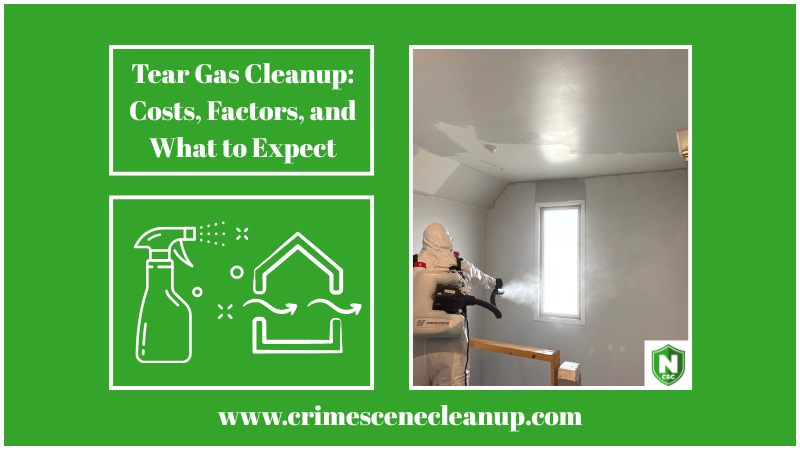
Tear gas contamination is not just unpleasant. It is persistent, invasive, and difficult to remove without the right process. Whether deployed during law enforcement activity, protests, or accidental discharge, the residue can linger in the air, on surfaces, and deep within materials. Proper tear gas cleanup is critical to restore a safe, livable environment.
When contamination occurs, understanding what’s involved—and what it costs—can help you make informed decisions quickly. For a detailed look at professional remediation services, explore our tear gas cleanup service process and approach.
What Is Tear Gas and Why Cleanup Matters
Tear gas, commonly known as CS gas, is a chemical irritant. It is designed to disperse quickly and affect the eyes, skin, and respiratory system. But once deployed indoors, it does not simply disappear.
Instead, it settles.
It clings to:
- Walls and ceilings
- Upholstery and carpets
- HVAC systems
- Clothing and personal belongings
Why standard cleaning fails
Basic cleaning methods often make the situation worse. Wiping surfaces or using household cleaners can spread the residue rather than remove it.
Key risks of improper tear gas remediation:
- Re-exposure to airborne irritants
- Lingering chemical odor
- Cross-contamination to unaffected areas
- Long-term health concerns
Professional tear gas cleanup ensures full neutralization, not just surface-level cleaning.
Average Tear Gas Cleanup Cost
Costs can vary widely depending on the severity of contamination and the size of the affected area.
Typical price ranges
| Property Type | Estimated Cost Range | Notes |
| Small apartment | $1,500 – $4,000 | Light to moderate exposure |
| Single-family home | $3,000 – $10,000+ | Varies by square footage |
| Commercial property | $10,000 – $50,000+ | Complex layouts, HVAC impact |
Disclaimer: Prices are subject to change based on specific conditions. Final costs depend on factors such as the size of the property, severity of contamination, materials affected (porous vs. non-porous), HVAC involvement, accessibility of impacted areas, and the time elapsed since exposure.
These ranges reflect professional tear gas cleanup services that include full remediation—not partial cleaning.
Key Factors That Affect Tear Gas Cleanup Costs
No two situations are identical. Several variables determine the final cost.
1. Size of the affected area
Larger spaces require more labor, equipment, and time.
2. Level of contamination
Heavy exposure means deeper penetration into porous materials like:
- Carpets
- Furniture
- Drywall
3. HVAC system involvement
If tear gas enters the ventilation system, contamination can spread throughout the entire property.
4. Materials impacted
Porous materials may need removal and disposal rather than cleaning.
5. Time since exposure
The longer tear gas sits, the more it embeds into surfaces.
6. Accessibility
Tight spaces, multi-level properties, or clutter increase labor complexity.
What to Expect During Professional Tear Gas Cleanup
Effective tear gas remediation follows a structured, methodical process.
Step-by-step overview
- Assessment and safety setup
Air quality and contamination levels are evaluated. Protective equipment is used immediately. - Containment of affected areas
Barriers prevent the spread of contaminants to unaffected spaces. - Removal of contaminated materials
Severely impacted items may be safely discarded. - Deep cleaning and neutralization
Specialized solutions break down chemical residues at the molecular level. - Air filtration and ventilation
Industrial equipment removes airborne particles and restores air quality. - Final inspection and clearance
The space is tested to ensure it is safe for re-entry.
DIY vs. Professional Tear Gas Cleanup
Attempting to clean tear gas without training is risky. The difference between DIY and professional tear gas remediation is significant.
| Factor | DIY Cleaning | Professional Cleanup |
| Effectiveness | Surface-level only | Full decontamination |
| Safety | High exposure risk | Controlled, protected |
| Equipment | Household tools | Industrial-grade systems |
| Long-term results | Residue often remains | Complete neutralization |
Professional tear gas cleanup is not just a convenience. It is a safety measure.
How Long Does Tear Gas Cleanup Take?
Timelines vary based on severity.
- Minor exposure: 1–2 days
- Moderate contamination: 2–5 days
- Severe cases: 1 week or more
Delays often occur when:
- HVAC systems are contaminated
- Structural materials require removal
- Large properties are involved
Health Risks of Improper Tear Gas Cleanup
Tear gas residue can remain active long after initial exposure.
Common symptoms of ongoing exposure:
- Eye irritation
- Skin burning or rashes
- Persistent coughing
- Headaches
Repeated exposure in contaminated environments can worsen symptoms over time.
What to Do Immediately After Tear Gas Exposure Indoors
Quick action can reduce long-term damage.
Immediate steps
- Leave the area as soon as possible
- Avoid touching contaminated surfaces
- Do not turn on fans or HVAC systems
- Seal off affected rooms if safe to do so
For a deeper breakdown of next steps, read our guide on how to respond to tear gas in your property.
Can Insurance Cover Tear Gas Cleanup?
In many cases, yes.
Coverage depends on:
- Cause of deployment (law enforcement vs. accidental)
- Policy type
- Extent of damage
Situations often covered
- Police activity inside a property
- Forced entry scenarios
- Vandalism-related incidents
Documentation and professional remediation reports are often required for claims.
Signs You Need Professional Tear Gas Cleanup Service
You may need immediate help if you notice:
- Strong chemical odor that won’t fade
- Burning sensation in eyes or throat indoors
- Residue on surfaces or belongings
- Worsening symptoms when inside the space
Even if the area looks clean, contamination may still be present.
Main Takeaways
- Tear gas residue does not break down quickly and can remain active long after deployment, especially indoors.
- Costs for tear gas cleanup vary widely, but they are directly tied to factors like property size, contamination level, and materials impacted.
- Attempting to clean tear gas without proper training or equipment often spreads contamination and prolongs exposure.
- Professional remediation addresses both visible residue and microscopic particles, ensuring the space is fully restored—not just superficially cleaned.
- Acting quickly reduces long-term damage, limits health risks, and can help control overall cleanup costs.
A contaminated property is not just uncomfortable—it can remain unsafe until properly treated. Fast, informed action makes a measurable difference in both safety and recovery.
Frequently Asked Questions
How much does it cost to clean up tear gas?
The cost of tear gas cleanup typically ranges from $1,500 to over $10,000 depending on the size of the space and how deeply the residue has spread. Smaller areas with light exposure cost less, while full-home contamination—especially involving HVAC systems—can increase pricing significantly. Because tear gas embeds into materials, professional cleanup is necessary to fully remove it and prevent ongoing exposure.
What removes tear gas from the eyes?
Flushing the eyes with clean water or saline can help reduce irritation in the moment. Avoid rubbing, as this can worsen symptoms. While this provides temporary relief, it does not address environmental exposure. If tear gas residue remains in a property, symptoms can return. That’s why professional cleanup is essential—to eliminate the source, not just treat the reaction.
Does tear gas leave a residue?
Yes. Tear gas leaves behind a fine particulate residue that settles on surfaces and penetrates porous materials like fabric and drywall. This residue can remain active for days or even weeks if not properly treated. Standard cleaning methods often fail to remove it completely. Professional tear gas cleanup is required to neutralize and remove these particles safely.
Is tear gas just pepper spray?
No. Tear gas (CS gas) and pepper spray (OC spray) are different chemical agents. Tear gas is a synthetic compound, while pepper spray is derived from natural capsaicin. Both cause irritation, but tear gas tends to disperse more widely and persist longer in indoor environments. Because of this, tear gas cleanup is more complex and typically requires professional remediation.
What is the best treatment for tear gas?
The best immediate treatment is to leave the contaminated area and rinse exposed skin and eyes with water. Removing contaminated clothing also helps reduce irritation. However, these steps only address short-term symptoms. The most effective long-term solution is professional tear gas cleanup, which removes the residue causing continued exposure and restores a safe indoor environment.
Get Help from National Crime Scene Cleanup
Tear gas contamination requires more than basic cleaning. It demands experience, precision, and the right equipment to fully restore a safe environment.
National Crime Scene Cleanup Specialists (NCSC) respond quickly, assess the situation thoroughly, and carry out complete tear gas cleanup with care and discretion.
If your property has been exposed, take the next step toward restoring safety and peace of mind and contact our 24/7 team.
