What Is Crime Scene Cleanup? Separating Hollywood Myths from Reality
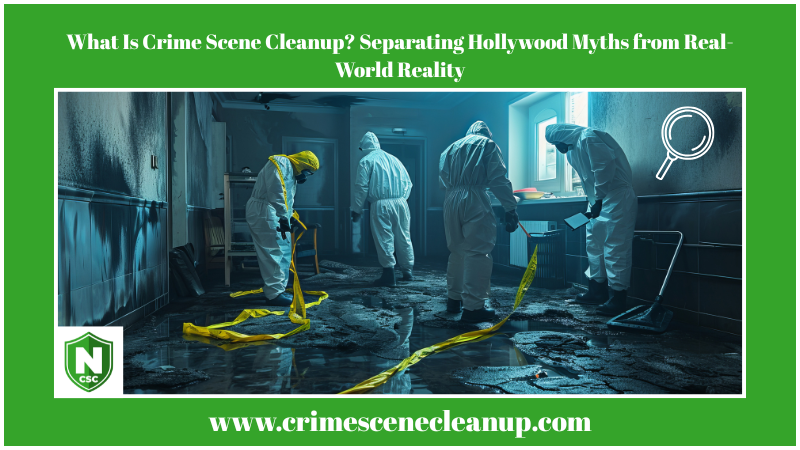
Crime scene cleaning is one of those services most people never think about—until they’re suddenly faced with it. Movies and TV often gloss over the aftermath of a traumatic event, leaving many people unsure what is crime scene cleanup and why it matters once first responders leave. In reality, the space left behind can pose serious health risks if it isn’t handled correctly.
At its core, crime scene cleanup comes down to safety, care, and proper restoration. It involves the professional removal of biohazards, deep cleaning of affected areas, and returning a property to a safe, livable condition. National Crime Scene Cleanup handles all services with discretion and expertise in order to help families and property owners move forward without taking on unnecessary risk.
What Is Crime Scene Cleanup?
Crime scene cleanup service is the professional removal, cleaning, sanitizing, and proper disposal of biohazardous materials left behind after a traumatic event.
These materials often include:
- Blood and bodily fluids
- Tissue and other biological matter
- Biohazard-contaminated surfaces and belongings
- Odors caused by decomposition or trauma
The goal is not cosmetic cleaning but to restore safety and health instead.
What Events Require Professional Cleanup?
Crime scene cleanup is needed after more than just violent crimes. Common scenarios include:
- Unattended deaths
- Suicides
- Homicides
- Accidental injuries
- Industrial or workplace accidents
- Decomposition situations
- Hoarding environments with biohazards
Any situation involving bloodborne pathogens or biological contamination requires professional handling to avoid further risks.
Hollywood vs. Reality: Common Crime Scene Cleaning Myths
Myth 1: Police Clean Up the Scene
Reality: Law enforcement collects evidence and leaves once the investigation ends. Cleanup responsibility falls to property owners, families, or landlords.
Myth 2: Regular Cleaning Products Are Enough
Reality: Household cleaners do not neutralize pathogens like hepatitis B, hepatitis C, or HIV. Improper cleaning increases exposure risk.
Myth 3: Crime Scene Restoration Is Just Janitorial Work
Reality: Crime scene cleanup involves biohazard containment, structural assessment, PPE use, and regulated waste disposal.
Myth 4: It’s Safe to Do It Yourself
Reality: DIY cleanup exposes individuals to invisible health risks and long-term contamination.
Why Crime Scene Cleanup Is a Health Issue
Blood and bodily fluids can carry pathogens for days or weeks. Once absorbed into porous materials, contamination spreads beyond visible areas.
Health risks include:
- Bloodborne pathogen exposure
- Respiratory issues from airborne particles
- Secondary contamination of HVAC systems
- Long-term odor and bacteria growth
Professional crime scene cleanup prevents these outcomes.
How Professional Cleanup Works
Step-by-Step Process
1. Assessment and Containment
We begin by evaluating the entire space, including areas where contamination may not be immediately visible. Affected zones are isolated for the purpose of preventing the spread of biohazards and protecting the rest of the property.
2. Safety and Protective Measures
Our technicians wear full personal protective equipment throughout the cleanup. This allows us to work safely while ensuring contaminants are not carried into clean areas.
3. Biohazard Removal
Contaminated materials that cannot be safely cleaned—such as flooring, drywall, or furniture—are carefully removed, sealed, and handled according to biohazard disposal regulations.
4. Cleaning, Disinfection, and Odor Control
We clean and disinfect all affected surfaces using professional-grade solutions designed to eliminate bloodborne pathogens. In addition, we also address lingering odors at the source to restore indoor air quality.
5. Final Review and Proper Disposal
Before leaving, we inspect the space to ensure all hazards have been properly addressed. All biohazard waste is transported to licensed facilities, therefore leaving the property safe and ready for next steps.
Crime Scene Restoration vs. Regular Cleaning
| Feature | Crime Scene Cleanup | Standard Cleaning |
| Biohazard Handling | Yes | No |
| Bloodborne Pathogen Removal | Yes | No |
| PPE and Safety Protocols | Required | Not required |
| Regulated Waste Disposal | Yes | No |
Regulations That Govern Cleanup
Crime scene cleanup services are regulated by federal and state standards, including guidance from:
- Occupational Safety and Health Administration
- Centers for Disease Control and Prevention
- Environmental Protection Agency
These agencies define safety protocols, exposure limits, and disposal requirements for biohazard materials.
Why Professional Training Matters
Certified crime scene cleaners receive training in:
- Bloodborne pathogen standards
- Hazard recognition
- Cross-contamination prevention
- Structural material assessment
- Emotional sensitivity and discretion
This expertise protects both occupants and cleanup teams.
Emotional Considerations in Crime Scene Cleanup
Cleanup is not just technical. On the contrary, it is deeply personal.
Professional teams approach each scene with:
- Privacy
- Compassion
- Discretion
- Respect for families and property
This support allows families to focus on healing, not hazardous cleanup.
Who Is Responsible for Cleanup Costs?
Responsibility often depends on the situation:
- Homeowners: Typically responsible, though insurance may help
- Landlords: Often responsible for rental properties
- Businesses: Responsible for workplace incidents
Many homeowner and commercial insurance policies cover cleanup as part of property damage claims.
When Should Crime Scene Cleaning Begin?
Crime scene cleanup should begin as soon as authorities officially release the scene. Once law enforcement has completed its investigation, delaying cleanup can create additional health and safety risks for anyone entering the space. Blood and bodily fluids can quickly soak into flooring, walls, and furniture, allowing contamination to spread beyond what’s immediately visible.
Waiting too long can also lead to stronger odors, increased structural damage, and higher restoration costs. The longer biohazards remain untreated, the more difficult they become to fully remove. Prompt professional cleanup helps limit secondary damage, protects indoor air quality, and allows families, property owners, or businesses to begin moving forward sooner and with greater peace of mind.
Why Choose National Crime Scene Cleanup?
National Crime Scene Cleanup’s specialists provide:
- 24/7 emergency response
- Nationwide coverage
- Certified and trained technicians
- Compliance with all regulatory standards
- Compassionate, discreet service
Understanding Crime Scene Cleanup: Common Questions
Is crime scene cleanup dangerous?
In summary, yes. Without proper training and equipment, exposure risks are high.
Does insurance cover crime scene cleanup?
Occasionally, yes. Many policies include biohazard remediation.
How long does cleanup take?
Most jobs take several hours to a few days, depending on severity.
Can odors be completely removed?
Yes. Professional deodorization eliminates odor at the source.
The Most Important Things to Remember
- Crime scene cleanup is a regulated health service, not basic cleaning
- Bloodborne pathogens pose serious risks if improperly handled
- Police do not perform cleanup
- Professional services simultaneously protect health, property, and peace of mind
Get Professional Help Now
When a traumatic event occurs, safety comes first. National Crime Scene Cleanup’s specialists are available 24/7 in order to restore affected spaces quickly and discreetly.
Compassionate care. Certified expertise. Trusted nationwide support. Call us today.
