How Crime Scene Cleanup Works Without Damaging Property
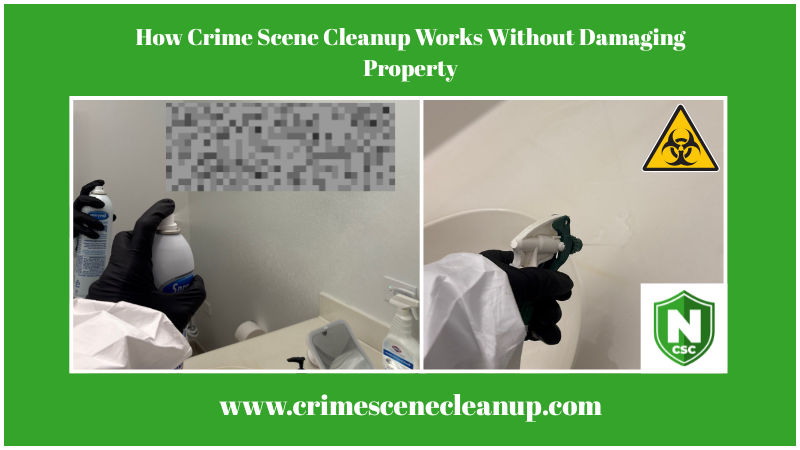
Crime scenes often leave behind more than emotional trauma. Biological hazards, contaminated materials, and lingering odors can make a space unsafe to occupy. Restoring that environment requires specialized training and a methodical process. Understanding how crime scene cleanup works reveals that the goal is not demolition, but precise remediation that protects both human health and the property itself.
Professional biohazard cleaners approach every scene with caution and respect. They follow strict safety protocols, identify the true extent of contamination, and apply targeted cleaning methods designed to eliminate biological hazards while preserving structural materials whenever possible.
When performed correctly, crime scene cleanup services should restore a home, business, or vehicle to a safe condition without unnecessary property damage. National Crime Scene Cleanup specialists specialize in this delicate work, combining technical expertise with compassionate service.
Understanding the Purpose of Professional Biohazard Remediation
Crime scene cleanup is a specialized form of biohazard remediation focused on restoring contaminated environments to safe conditions. At National Crime Scene Cleanup, we address biological materials that can carry harmful pathogens, including blood, bodily fluids, and other organic matter that require careful handling and professional sanitation.
Unlike standard cleaning, this work requires strict safety procedures and professional-grade disinfectants designed to eliminate dangerous microorganisms. Our goal is complete decontamination while preserving structural elements such as flooring, drywall, cabinetry, and fixtures whenever possible.
Understanding how crime scene cleanup works also means recognizing that contamination is not always visible. Biological materials can spread beyond the immediate area and affect nearby surfaces. During remediation, we carefully assess areas where contamination may be present, including:
- Porous materials that can absorb fluids beneath the surface
- Subflooring or wall cavities where liquids may seep through
- Ventilation systems that may circulate microscopic particles
- Nearby structural elements or furnishings exposed during the incident
Our team focuses on precision. We identify exactly where hazards exist and apply targeted remediation techniques to those areas. This approach allows us to remove biohazards effectively while protecting the rest of the property from unnecessary disruption.
How Crime Scene Cleanup Works During the Initial Scene Assessment
Before any cleaning begins, our technicians perform a detailed inspection of the scene. This stage determines the scope of contamination and the safest way to proceed.
During the assessment, we evaluate several key factors:
- The type of incident that occurred
- The location of visible biological materials
- Possible fluid penetration into flooring or walls
- Porous versus non-porous surfaces
- Risks of contamination spreading through ventilation systems
Technicians also use specialized tools such as moisture detectors and ultraviolet lights to identify hidden contamination.
This careful evaluation is critical to understanding how crime scene cleanup works without causing unnecessary damage. By mapping out exactly where hazards exist, professionals can avoid removing materials that remain safe and uncontaminated.
Containment: A Critical Step in How Crime Scene Cleanup Works Safely
One of the most important parts of the remediation process involves isolating the affected area.
Containment prevents biological hazards from spreading throughout the property during cleaning. Without it, microscopic particles could travel through airflow or foot traffic, contaminating previously unaffected spaces.
Containment strategies may include:
- Sealing off rooms with protective barriers
- Using negative air pressure systems
- Blocking ventilation openings
- Establishing controlled entry and exit points
These measures create a secure environment where technicians can work safely.
Containment also demonstrates a fundamental principle behind how crime scene cleanup works: protect the entire property while addressing the contaminated area.
How Crime Scene Cleanup Works When Removing Biohazard Materials
Once the area is secured and contained, we begin removing visible biohazard materials. This stage of the crime scene cleanup process focuses on safely collecting substances such as blood, bodily fluids, and contaminated debris that may carry harmful pathogens.
Using specialized tools and protective equipment, we remove these hazards carefully to prevent further contamination and limit disruption to surrounding surfaces. This precise approach is a key part of how crime scene cleanup works, allowing us to eliminate biological risks while protecting the structure of the property.
All biohazard waste is handled according to strict regulatory standards. Contaminated materials are sealed in approved containers, properly labeled, and transported to licensed medical waste disposal facilities.
During this phase of cleanup, our technicians typically:
- Extract or absorb biological fluids using professional equipment
- Remove saturated porous materials when disinfection is not possible
- Protect nearby surfaces to prevent cross-contamination
- Package and label biohazard waste for safe disposal
Although some materials may require removal, we work with precision to preserve structural elements whenever possible. Eliminating hazards while minimizing property impact is central to how crime scene cleanup works.
Deep Cleaning and Disinfection: How Crime Scene Cleanup Works at the Microbial Level
Once visible contamination is removed, technicians begin deep cleaning the affected surfaces.
This stage focuses on eliminating microorganisms that may remain even after visible materials are gone. Bloodborne pathogens such as hepatitis and other infectious agents can survive outside the body, making thorough disinfection essential.
Professionals rely on hospital-grade cleaning agents and specialized techniques designed for biohazard remediation.
Some commonly used methods include:
- Enzymatic cleaning solutions that break down organic material
- Antimicrobial disinfectants that destroy bacteria and viruses
- Steam cleaning systems capable of penetrating porous surfaces
- Professional extraction equipment that removes fluids trapped in flooring
These techniques ensure that the space is sanitized without unnecessarily damaging building materials.
Technologies That Demonstrate How Crime Scene Cleanup Works Without Property Damage
Modern crime scene remediation relies on advanced tools designed to clean efficiently while preserving surfaces.
The following technologies are commonly used in professional cleanup operations:
| Technology | Function | Benefit for Property Preservation |
| HEPA filtration systems | Remove airborne contaminants | Prevent spread of particles |
| Moisture detection meters | Locate fluid penetration | Avoid unnecessary demolition |
| Enzymatic cleaners | Break down organic residue | Protect surfaces from harsh chemicals |
| Thermal fogging equipment | Neutralize odors | Restore air quality |
These tools allow our teams to perform highly targeted remediation. Rather than removing entire walls or floors, they treat only the affected areas.
How Crime Scene Cleanup Works to Eliminate Odors
Odor removal is often one of the most difficult parts of biohazard remediation. After a traumatic event, biological decomposition can produce strong odors that linger even after visible contamination has been removed. As part of how crime scene cleanup works, we address odor at its source rather than trying to cover it up.
Our technicians use specialized equipment designed to neutralize odor molecules within the air and affected materials. Depending on the situation, we may use several professional odor treatment methods, including:
- Ozone treatment to break down odor-causing particles
- Hydroxyl generators that safely neutralize airborne contaminants
- Thermal fogging systems that penetrate hard-to-reach spaces
- Industrial air scrubbers to filter contaminated air
These technologies allow us to remove odors at the molecular level and restore indoor air quality. Proper odor remediation is essential because incomplete treatment can leave persistent smells behind. This is one of the common mistakes people make with death odor removal, especially when attempting to address the issue without professional equipment or training.
Materials That Can Often Be Preserved When Crime Scene Cleanup Works Correctly
A common fear among property owners is that a crime scene will permanently damage their home or building. In many cases, however, structural elements can be restored rather than removed.
When contamination is addressed quickly and professionally, our biohazard cleaners may be able to preserve materials such as:
- Hardwood flooring
- Tile surfaces and grout
- Sealed concrete
- Metal fixtures
- Painted drywall
- Laminate countertops
Preservation depends on the depth of contamination and the type of surface involved. Early professional intervention significantly increases the chances that these materials can be saved.
When Material Removal Becomes Necessary
Despite best efforts to preserve materials, certain situations require removal.
Porous materials may absorb biological fluids so deeply that they cannot be safely disinfected. In these cases, our teams remove only the contaminated sections rather than entire structures.
Examples may include:
- Heavily saturated carpeting
- Padding beneath flooring
- Upholstered furniture
- Sections of drywall exposed to bodily fluids
- Unsealed wood materials
Even when removal is necessary, the process is precise and controlled. Our professionals focus only on affected areas, preventing unnecessary demolition.
How Crime Scene Cleanup Works to Protect Occupants and Property Owners
Crime scene cleanup is not simply about restoring how a space looks. Our primary responsibility is ensuring the environment is safe for anyone who may enter the property afterward. Biological contamination can expose occupants to serious health risks if it is not handled with the proper training, equipment, and procedures.
A critical part of how crime scene cleanup works involves identifying and removing hazards that may not be visible to the untrained eye. We approach each scene with strict safety protocols designed to limit exposure, control contamination, and ensure that biohazards are managed responsibly from start to finish.
During the cleanup process, our team focuses on several key protective measures:
- Careful handling of infectious materials using specialized protective equipment
- Strict adherence to health and safety regulations that govern biohazard remediation
- Controlled work zones that reduce the risk of contaminants spreading beyond the affected area
- Compliant biohazard waste disposal through licensed medical waste facilities
- Comprehensive sanitization to restore a safe indoor environment
By following these procedures, we help ensure that properties are not only cleaned, but also responsibly restored so occupants, property owners, and visitors can return with confidence.
How Long the Crime Scene Cleanup Process Typically Takes
The amount of time required for crime scene cleanup can vary significantly depending on the circumstances of the scene. Each situation is different, and the timeline largely depends on how much contamination is present and how far it has spread throughout the affected area.
Several factors can influence how long the process takes. The volume of biological material involved, the number of surfaces affected, and whether fluids have penetrated structural materials all play a role in the overall timeline. In some cases, odor contamination may also require additional treatment to fully restore indoor air quality.
For smaller incidents, remediation can sometimes be completed within a few hours. More complex scenes, however, may require additional time or multiple visits to ensure the space is properly sanitized and restored. Those looking for a more detailed breakdown of the process can learn more about how long crime scene cleanup takes and the factors that influence cleanup timelines.
No matter the scope of the scene, we work as efficiently as possible while maintaining strict safety protocols. Our priority is always to complete the cleanup thoroughly and responsibly so the property can be safely returned to use.
How Crime Scene Cleanup Works and Why Professional Help Matters
Understanding how crime scene cleanup works helps property owners recognize why professional remediation is necessary after traumatic events. The process involves careful assessment, controlled containment, safe removal of hazardous materials, and deep cleaning using advanced equipment.
Experienced technicians focus on targeted remediation techniques that remove biological hazards while preserving structural elements whenever possible. Their goal is to restore safety without causing additional damage to the property.
If you are dealing with a biohazard situation, professional assistance can make the recovery process safer and more manageable.
For immediate help, contact National Crime Scene Cleanup.
Our trained professionals provide discreet cleanup services designed to restore your property and protect the health of everyone involved.
