Common Workplace Accidents & Injuries
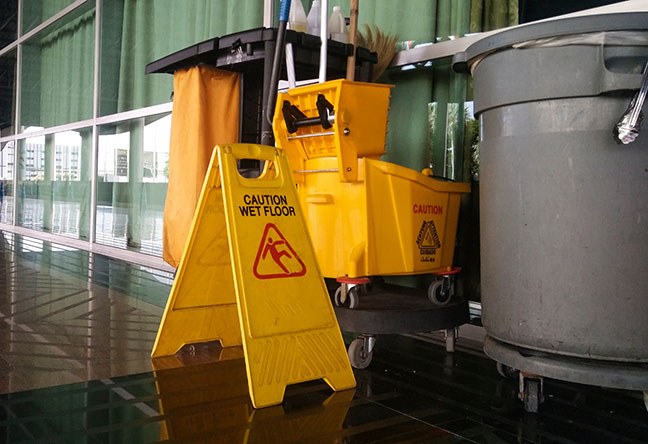
A workplace accident can happen without warning. A worker may fall, become caught in machinery, or suffer a cut that leaves blood on equipment and nearby surfaces.
Understanding the most common workplace accidents helps you recognize hazards and respond correctly after someone gets hurt. If an injury leaves blood, bodily fluids, tissue, or another biohazard behind, professional workplace cleaning services can isolate the affected area and restore it safely.
What Is the Most Common Accident in the Workplace?
Contact with objects or equipment caused the most recent nonfatal workplace injuries involving days away from work. Overexertion and falls followed closely behind.
The latest National Safety Council workplace injury data cover 2023 and 2024:
- Contact incidents caused 499,270 days away from work cases.
- Overexertion and related bodily conditions caused 492,140 cases.
- Falls, slips, and trips caused 479,480 cases.
Fatal accidents follow a different pattern. The Bureau of Labor Statistics Census of Fatal Occupational Injuries recorded 5,070 fatal work injuries in 2024. Transportation incidents caused 1,937 deaths, or 38.2% of the total.
These figures answer two different questions. Contact incidents caused the most nonfatal cases involving time away from work, while transportation incidents caused the most deaths.
Workplace Accidents and Injuries Are Different
A workplace accident describes what happened. An injury describes the physical harm caused by that event.
Falling from a ladder is an accident. A fracture, cut, or concussion is the resulting injury.
This difference also affects the response. A muscle strain usually doesn’t contaminate the property, while a deep cut or machinery injury may leave blood and tissue behind.
What Are the Top 10 Causes of Accidents in the Workplace?
The most common workplace accidents involve equipment, movement, vehicles, harmful exposure, or unsafe conditions. This table separates each event from its likely injuries and scene concerns.
|
Accident type |
How it happens |
Common injuries |
Possible scene concern |
|
1. Contact with objects |
Equipment or materials strike, catch, crush, or compress a worker |
Fractures, head injuries, cuts |
Blood on equipment or flooring |
|
2. Overexertion |
Lifting, carrying, pushing, or repetitive movement strains the body |
Sprains, back injuries, joint damage |
Usually no contaminated scene |
|
3. Slips, trips, and falls |
Wet floors, clutter, damaged steps, or unstable ladders cause a loss of balance |
Fractures, sprains, head injuries |
Blood on porous or hard surfaces |
|
4. Transportation incidents |
A work vehicle crashes, rolls over, or strikes a pedestrian |
Crush injuries, head trauma, fatalities |
Blood, glass, cargo, or vehicle fluids |
|
5. Harmful exposure |
A worker contacts chemicals, electricity, heat, infectious material, or unsafe air |
Burns, poisoning, breathing injuries |
Residue, damaged containers, or contaminated clothing |
|
6. Machinery accidents |
A worker contacts moving parts or equipment starts unexpectedly |
Amputations, crush injuries, deep cuts |
Blood or tissue inside machinery |
|
7. Cuts and punctures |
Knives, needles, broken glass, or damaged tools break the skin |
Lacerations, puncture wounds |
Blood, sharps, or contaminated tools |
|
8. Burns |
Heat, electricity, steam, chemicals, or flames damage tissue |
Thermal, electrical, or chemical burns |
Chemical residue or damaged equipment |
|
9. Workplace violence |
An assault or another violent act occurs at work |
Blunt trauma, cuts, gunshot wounds |
Blood, tissue, or a restricted scene |
|
10. Fires and explosions |
Gas, dust, pressure, flammable material, or an electrical fault ignites |
Burns, smoke inhalation, impact injuries |
Fire residue, debris, or structural hazards |
One event may fall under several categories. A forklift collision can involve transportation, contact with equipment, crushing, broken materials, and biological contamination.
What Are the Top Five Most Common Workplace Injuries?
Different accidents can cause the same physical injury. These five outcomes occur across offices, stores, construction sites, warehouses, farms, and other work environments.
- Strains and sprains
Lifting, repetitive movement, awkward positions, and falls commonly injure the back, shoulders, knees, wrists, or ankles. - Cuts and puncture wounds
Sharp tools, machinery, needles, and broken materials can cause minor cuts or deep wounds involving nerves and blood vessels. - Fractures and crush injuries
Falls, moving vehicles, shifting materials, and heavy equipment can break bones or compress muscles and internal organs. - Head and brain injuries
Falls, moving objects, machinery, and vehicle collisions can cause concussions or more serious brain injuries. Symptoms may not appear right away. - Burns
Heat, steam, electricity, flames, and chemicals can damage the skin and deeper tissue.
Medical professionals assess and treat the injured person. Cleanup addresses blood and other contamination that remains at the property after emergency care begins.
What Should You Do After a Serious Workplace Accident?
Protect life first. Don’t clean or disturb the scene while medical, fire, chemical, electrical, mechanical, or law enforcement hazards remain active.
- Call 911 if the injury is serious or the area remains dangerous.
- Follow your workplace emergency plan.
- Provide only the first aid you’re trained to give.
- Stop work and keep other people away from the area.
- Don’t move equipment unless doing so prevents further harm.
- Report and document the incident under your company’s procedures.
- Follow the employer’s exposure procedure after contact with blood or bodily fluids.
- Keep the area restricted until trained personnel assess the contamination.
- Correct the original hazard before work resumes.
After responders address immediate dangers and release the area, the industrial accident cleanup process begins with an assessment of the affected surfaces and materials. Technicians then contain the area, remove contamination, clean suitable surfaces, and verify the results.
Why Blood and Bodily Fluids Need a Controlled Response
You can’t tell whether blood carries a pathogen by looking at it. OSHA’s Universal Precautions approach treats human blood and certain bodily fluids as potentially infectious.
The OSHA Bloodborne Pathogens Standard requires covered employers to use engineering controls and safe work practices to reduce occupational exposure. Employers must also provide appropriate protective equipment when exposure remains.
Hepatitis B, hepatitis C, and HIV are among the common bloodborne diseases in the workplace. Blood can enter the body through a puncture wound, damaged skin, or contact with the eyes, nose, or mouth.
Visible blood may represent only part of the affected area. Fluids can enter floor seams, carpet padding, grout, upholstery, unfinished wood, machinery joints, or spaces beneath fixed equipment.
What Safety Gear Reduces Workplace Accident Risks?
Protective equipment must match the hazard and type of exposure. No single item protects workers from every workplace risk.
Common workplace PPE includes:
- Safety glasses, goggles, or face shields for splash and impact risks
- Gloves selected for cuts, chemicals, heat, or biological exposure
- Hard hats for overhead and impact hazards
- Hearing protection for damaging noise
- High visibility clothing around vehicles and moving equipment
- Protective footwear for impact, puncture, slip, or electrical risks
- Fall protection for work at height
- Protective clothing for chemical or biological exposure
- Respiratory protection for identified airborne hazards
The four levels of PPE change based on how much respiratory, skin, and eye protection the hazard requires. Level A provides the highest combined respiratory and skin protection, while Level D covers basic work clothing for situations without respiratory or skin hazards.
PPE reduces exposure, but it doesn’t remove the source of danger. Employers must still control moving equipment, repair damaged surfaces, contain chemicals, and correct unsafe work practices.
How Can You Prevent Common Accidents in the Workplace?
Prevention starts with the actual hazards workers face during daily tasks. A general safety policy won’t correct a damaged ladder or stop forklifts from crossing a crowded walkway.
Use these measures to reduce accident risks:
- Inspect floors, stairs, ladders, equipment, and storage areas.
- Repair damaged surfaces and clear blocked walkways.
- Maintain machine guards and control hazardous energy.
- Train workers before assigning new equipment or tasks.
- Provide lifting aids for loads workers can’t safely handle.
- Separate pedestrians from forklifts and work vehicles.
- Label and store chemicals correctly.
- Provide PPE in the correct type and size.
- Maintain an exposure control plan when workers may contact blood.
- Review accidents and near misses for recurring hazards.
Preventing workplace accidents requires different controls in offices, warehouses, stores, farms, laboratories, and construction sites. Each workplace must base its procedures on the equipment, materials, and tasks present.
When Does a Workplace Accident Need Professional Cleanup?
A workplace accident needs professional cleanup when blood, bodily fluids, tissue, contaminated sharps, or another biological material remains at the property. Ordinary custodial cleaning may not address contamination that reaches porous surfaces or equipment interiors.
Request a professional assessment when the accident affects:
- Machinery, controls, guards, or enclosed equipment parts
- Carpet, upholstery, unfinished wood, or other porous materials
- Large floor or wall areas
- Commercial vehicle interiors
- Sharps or broken materials contaminated with blood
- Areas where bodily fluids traveled beneath fixed equipment
- Public spaces that must remain restricted until restored
Our technicians identify the affected area and stop contamination from spreading. We remove materials that can’t be restored, clean and disinfect suitable surfaces, and manage the resulting waste under the requirements that apply to the job.
Key Takeaways About Common Workplace Accidents
Common workplace accidents range from overexertion to major transportation or machinery incidents. The right response depends on the injury, active hazards, and contamination left behind.
- Contact incidents led recent nonfatal cases involving days away from work.
- Transportation incidents caused the most fatal work injuries in 2024.
- Medical treatment and emergency response come before cleanup.
- Blood and certain bodily fluids require controlled handling.
- PPE must match the hazard and expected exposure.
- Contamination inside porous materials or machinery may require professional remediation.
When common workplace accidents leave blood or other biohazards behind, National Crime Scene Cleanup provides discreet help across the contiguous United States. Contact NCSC for 24/7 workplace accident cleanup assistance.
Frequently Asked Questions
Should an employee clean blood after a workplace accident?
Don’t assign blood cleanup to an employee who lacks the required training, procedures, equipment, or PPE. Significant spills, contaminated sharps, tissue, porous materials, and affected machinery require a controlled response.
When can workplace accident cleanup begin?
Cleanup can begin after emergency responders address immediate dangers and the appropriate authority releases the area. Mechanical, electrical, chemical, structural, and fire hazards must be controlled first.
Can ordinary cleaning products remove workplace biohazards?
Ordinary products may remove visible blood without reaching contamination beneath surfaces or inside porous materials. Proper remediation must account for the material involved, affected surfaces, spread of contamination, disinfection, and waste handling.
What PPE is used for workplace accident cleanup?
PPE depends on the material, exposure route, and conditions at the scene. It may include gloves, protective clothing, eye protection, face protection, shoe coverings, or respiratory equipment.
Does NCSC provide workplace accident cleanup nationwide?
NCSC provides 24/7 workplace and industrial accident cleanup across the contiguous United States. We serve commercial properties, industrial facilities, agricultural sites, transportation settings, laboratories, and healthcare environments.
