-
Teams local to you
Blood Cleanup
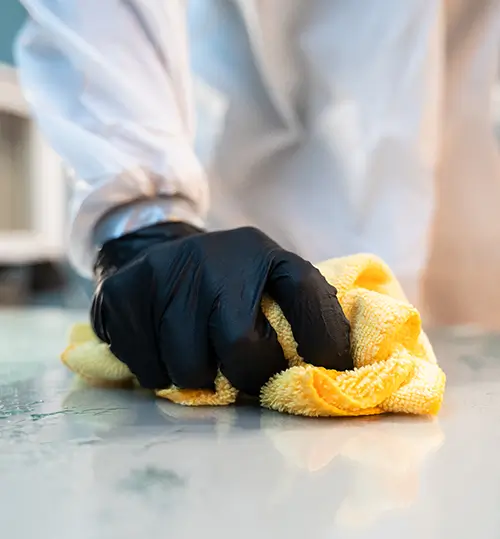
Never expose yourself to potential bloodborne pathogens when you don’t have to. Call professional cleaners for blood and biohazards.
Proudly certified by trusted industry organizations


-
Trusted experts
Even if it looks simple, don't risk it.
When it comes to blood cleanup, never make the assumption that even simple looking situations can be dealt without the pros. You just never know what’s contained in blood. Risking semi-permanent or permanent illness from accidental exposure is never worth it.
When dealing with blood spills and bodily fluid cleanup, it’s critical to ensure a comprehensive and professional restoration to eliminate potential health risks. Bloodborne pathogens can pose serious dangers, and improper handling can lead to contamination or harm.
As blood is a natural part of the human body, many can lose track of how dangerous blood can be. It can contain pathogens that may or may not get someone sick. With serious bloodborne infections and diseases such as HIV, hepatitis B, and hepatitis C, you don’t want to take the risk. Parasites, bacteria, and other pathogens may also be present. When someone comes into contact with these pathogens from the blood of an infected person, they can become ill.
The National Crime Scene Cleanup Association (NCSC) exists to prevent these types of situations from happening. These crews are trained to properly protect, decontaminate, and restore property damaged by blood. Blood spill cleanup services are here to help property owners, families, and communities reclaim part of their peace of mind while reducing the costs required of them.
We adhere to strict industry regulations and guidelines to restore the space to a safe and habitable condition. Whether the situation arises from an accident, injury, or other incidents, we approach every blood cleanup job with discretion, care, and the utmost respect for those affected.
NCSC crews are on call 24/7/365, nationwide, and readily available with the proper equipment and supplies to restore the home.
What are bloodborne pathogens?
OSHA Bloodborne Pathogens Standard clearly defines the three most common bloodborne viruses HIV, Hepatitis B and C. Less frequent but equally well known and devastating bloodborne infections include Ebola, Lassa, and Dengue.
All of these viruses are not just potentially life long and also potentially life threatening. That is the reason why OSHA has regulations and special training reserved for these type of situations–all of which should be observed.
Bacteria and viruses are slightly different. Bacteria refers to complex single cell organisms that can survive independently while viruses live on surfaces and do the most damage when they enter a host and multiply within their human body.
Certain types of fungi can live and multiply in blood. The most common ones are histoplasmosis, coccidioidomycosis, and blastomycosis, all of which can be transmitted through air, food, water, or contact with an infected animal.
The transmission of bloodborne fungi may not produce immediate symptoms. Symptoms can vary and may take weeks or months to develop–making it even more complicated to determine when direct exposure is made. It’s not worth the risk, which is why OSHA mandates having a professional take care of blood cleanups.
Parasites are organisms that feed and get their nutrition from another organism (called a host). In doing so, they infect the host with illness and disease. A few examples of common bloodborne parasites include malaria, Chagas disease, babesiosis, and leishmaniasis.
Bloodborne parasites are often transmitted through contaminated water and infected mosquitos. Unfortunately, these issues may not show immediate symptoms. This is especially why you should never clean up blood–even if the person appeared to be healthy–without first being trained.

We handle the insurance
Dealing with a traumatic event is hard enough—let us handle the insurance process for you. We work directly with your provider to cover the cleanup cost, so you don’t have to worry.
-
Serious risks
NCSC follows OSHA standards for bloodborne pathogen cleanup.
In 1991, OSHA released specific regulations for handling biohazard and biohazardous waste, including a standard for bloodborne pathogens. NCSC crews are trained to follow the Bloodborne Pathogens Standard (29 CFR 1910.1030), which applies to all residential and commercial safety procedures. An overview of what this means includes:
Following an Exposure Control Plan
All potential exposure to bloodborne pathogens must be limited. Following OSHA safety procedures and regulations, NCSC devises an exposure control plan that calculates risk of exposure, implements methods to minimize that exposure, and outlines actions to be taken if a site worker is directly exposed. All site workers must be aware of the plan and review it during each annual training session.
Proper Training and PPE
OSHA requires that all workers are screened to be physically fit for training and wearing PPE. Bio can reach areas of all sizes, from crawl spaces to closets with limited visibility. NCSC screens all employees to ensure they pass vision and physical fitness tests to determine they are able to crouch, crawl, and wear respirators. Certain respirators or PPE are unnecessary depending on the situation: NCSC has trained supervisors experienced with all levels of contamination to respond appropriately.
Vaccinations & Record Keeping
Vaccinations are an important component of OSHA regulations. NCSC pays for all crews to receive and stay up to date on vaccinations, including the Hepatitis B vaccination. Records of vaccinations, exposure history, and other medical evaluations are required per OSHA as well. NCSC keeps all vaccination records and employee documentations per 29 CFR 1910.1030(f)(6).
Medical Evaluation and Follow Up
When a worker is vaccinated or exposed, OSHA regulations require thorough evaluations and follow ups. NCSC provides optional medical evaluations and follow ups after any suspected exposure. This is provided at no cost to the crew. Follow ups are also and documented as per 1910.1030(f)(6) medical record keeping.
Proper Labeling and Storage
As a part of the efforts to minimize exposure, a trained and certified OSHA site worker will dispose of the bio using the appropriate supplies. Minimizing exposure to the bio involves properly labeling and disposing of the matter in bins, bags, and containers that have proper labels and signs (1910.1030(g)).
Proper Transport and Disposal
Beyond minimizing exposure through the proper labeling and containment of the bio, NCSC follows federal, state, and local laws to transport and dispose of the materials. Transporting bio requires special licensing from DOT and local agencies, from the type of vehicle to how the bio is contained and loaded. NCSC follows all laws and regulations while striving to continuously exceed expectations to protect the environment.
-
Legal compliance
NCSC's Certifications
To read more about biohazardous waste laws, please see the respective governmental websites below:
- OSHA
- EPA
- State Environmental Agency
- U.S. DOT (State DOT regulations also apply)
NCSC teams are fully licensed and trained by the applicable organizations of which they are servicing. Help is just a phone call away. Trust us to provide a safe and efficient blood cleanup service, giving you the reassurance you need during difficult times. Call the NCSC hotline 24/7/365 for immediate assistance.
What to do if you're in this situation
1
Ensure Your Safety First
Move to a safe area and avoid the affected space until professionals arrive.
2
Avoid Contact With Biohazards
Blood and bodily fluids pose serious health risks—do not attempt cleanup yourself.
3
Call Us For Help Today
We’re available 24/7 for safe, discreet cleanup in full compliance with regulations.
-
Payment made easy
Flexible payment options
For your convenience, NCSC offers multiple payment options to ease the burden.
Insurance
Most homeowners', business, renters', and auto insurance policies cover crime scene cleanup. We work directly with your provider to handle the claims process for you.
Credit or debit card
We accept all major credit and debit cards for fast and convenient payment.
Check
Personal and business checks are accepted as another secure payment option.
Victim's resources
Financial assistance may be available through victim compensation programs. We can help you explore available options.
-
Answers
Frequently asked questions
If you’re facing the aftermath of a crime or traumatic event, you likely have many questions—here are the answers to help you understand the process and what to expect.
Why is professional blood cleanup necessary?
Blood may carry pathogens such as viruses and bacteria. Certified biohazard professionals ensure safe removal and disinfection.
How soon can blood cleanup be done?
Most companies offer rapid 24/7 response and can begin cleanup immediately to prevent staining, odors, and contamination.
Is dried blood dangerous?
Yes. Even dried blood can contain harmful pathogens and requires proper biohazard handling procedures.
Do you handle blood cleanup from accidents or injuries?
Yes. Blood cleanup covers accidents, medical emergencies, workplace incidents, and more.
Can homeowners insurance cover blood cleanup?
In many cases, yes. Technicians can help verify coverage and coordinate with insurers.
-
More solutions
Additional services we provide
We provide a full range of professional biohazard cleanup services beyond crime and trauma scenes. Explore our specialized solutions below to find the right service for your needs.






-
Help center
Resources & support
We understand that dealing with a crime or trauma scene can be overwhelming. To help you navigate this challenging time, we’ve compiled valuable resources, guides, and support options.
Guides & articles
Victim support resources
- National Center for Victims of Crime – Resources for crime victims and families.
- Victim Compensation Programs – Find financial assistance programs available in your state.
- Mental Health Support & Counseling – Locate counseling services for trauma recovery.
-
Who we are
About us
At NCSC, our purpose is to help families, businesses, and neighborhoods navigate the aftermath of traumatic events. With a long history in crime and trauma scene cleanup, we offer fast, discreet, and expert biohazard remediation across the nation.
Our compassionate specialists are fully licensed and trained to manage homicides, suicides, unattended deaths, accidents, and more. We operate under strict OSHA, EPA, and state standards to ensure every environment is properly decontaminated and restored.
Understanding the emotional weight of these situations, we provide 24/7 emergency service, insurance billing support, and complete regulatory compliance. We strive to give you comfort and confidence during a difficult time.
In your hardest moments, trust the team that’s always ready to help—any hour, any day.